The dangerousness of mercury vapor (Stock 1926)
Stock’s 1926 paper documents mercury vapor as a serious occupational poison.


Stock’s 1926 paper documents mercury vapor as a serious occupational poison.
Mahler 1994 showed mercury emission from amalgam rises as tin falls in the Ag-Hg phase.
Leistevuo 2001 found organic and inorganic mercury in saliva were significantly higher in people with amalgam fillings (p
Hanson and Pleva’s 1991 review: corroded dental amalgam can exceed mercury safety limits, and gold contact accelerates the release.
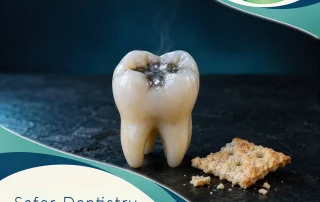
Gay 1979 measured almost four times more elemental mercury in expired breath after 15 minutes of chewing in patients with amalgam fillings.
Barregård 1993 reviews blood and urine markers for mercury vapour. Amalgam is the major public inorganic source, and CNS signals rise near 50 µg/g creatinine.
WHO’s 2005 mercury-in-health-care paper says dental amalgam is about 45–55% mercury, vapour is highly absorbed, and health care must cut exposures.
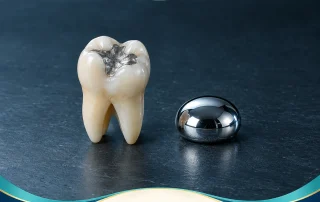
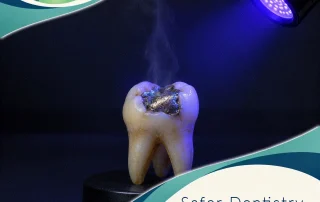
IAOMT’s Smoking Teeth film makes mercury vapour from amalgam visible under UV light. A so-called silver filling is about half mercury.
A single vapor snapshot is not a day. In a companion paper, Vimy and Lorscheider took serial intra-oral air measurements during and after chewing to estimate daily mercury dose from amalgam.
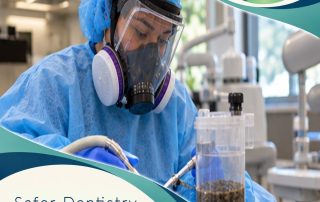
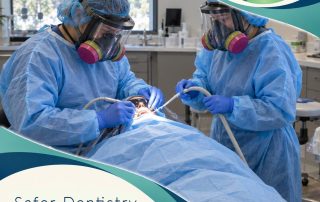
Dentists and dental nurses who still work with amalgam inhale metallic mercury vapor as a chronic occupational exposure. Aaseth, Hilt, and Bjørklund review toxicological, clinical, and epidemiological evidence on health impacts in dental personnel—keeping the spotlight on the people who stand over…