Intra-oral air mercury released from dental amalgam
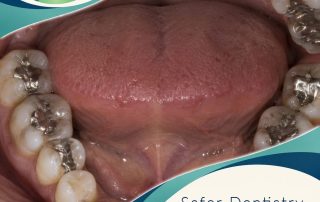
Before removal even begins, amalgam can release mercury into mouth air. Vimy and Lorscheider measured intra-oral mercury vapor before and after chewing stimulation.


Before removal even begins, amalgam can release mercury into mouth air. Vimy and Lorscheider measured intra-oral mercury vapor before and after chewing stimulation.
Policy and clinic decisions need a number: how much mercury vapor is too much for continuous inhalation? Richardson and colleagues reviewed toxicological uncertainties for elemental mercury vapor and derived a Canadian reference exposure level (REL).
Autopsy tissue talks when blood tests whisper. Nylander, Friberg, and Lind measured mercury in brain regions and kidney cortex and related concentrations to dental amalgam exposure.
Are amalgam fillings sealed tombs—or slow-release sources? Hahn and colleagues used radioactive mercury in animal amalgam restorations and whole-body imaging to visualize where released mercury goes.
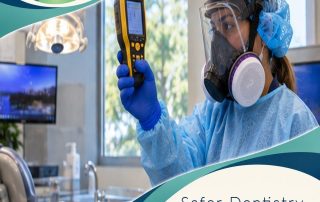
Watch this video to understand the various techniques that SMART Certified dentists utilize to safely remove dental mercury amalgam fillings.
Research has repeatedly shown the potential for adverse health effects in children and fetuses during pregnancy as a result of dental amalgam mercury fillings.
During cremation, the mercury from amalgam fillings is heated up and released as vapor, and this dental mercury pollutes the environment.
Scientific research has clearly identified occupational risks for dentists and other dental staff members related to the use of dental amalgam mercury.
There is an essential need for a consumer-based, packaging list of the components of dental materials including fillings, crowns, bridges, and other devices and implants.
Occupational health and safety is imperative for dentists and dental workers who are exposed to dental mercury from amalgam fillings through placement, replacement, polishing, and removal.