Vimy MJ, Lorscheider FL. Intra-oral air mercury released from dental amalgam. Journal of Dental Research. 1985;64(8):1069-1071.
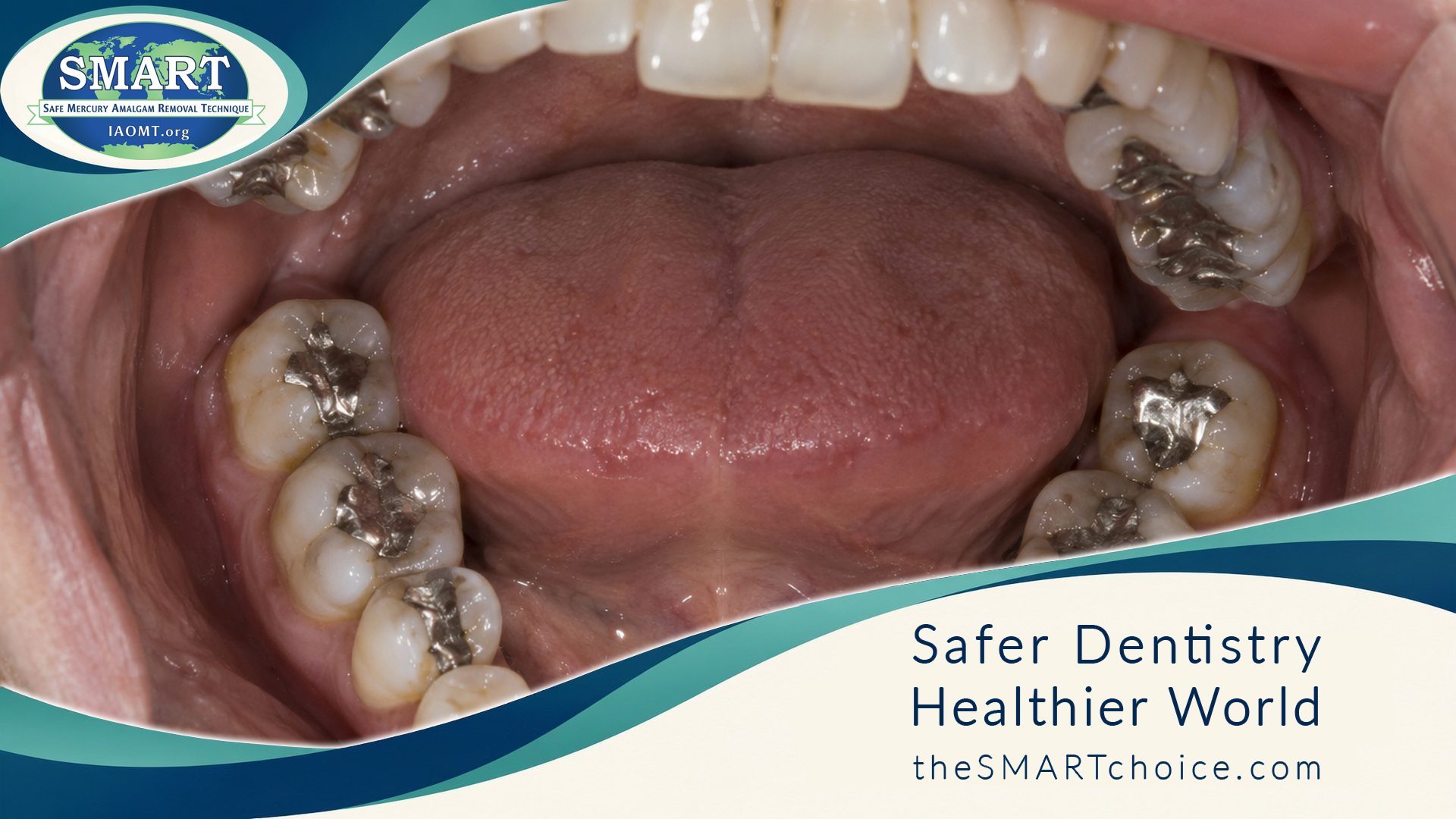
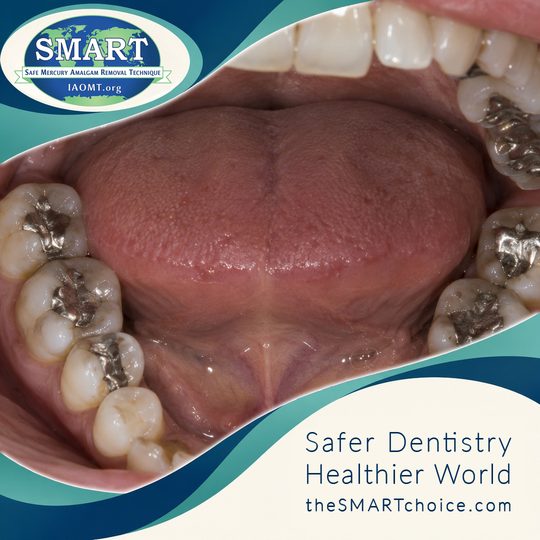
Before removal even begins, amalgam can release mercury into mouth air. Vimy and Lorscheider measured intra-oral mercury vapor before and after chewing stimulation.
What the study found
Intra-oral air was analyzed for mercury (Hg) vapor concentration in 46 subjects, 35 of whom had dental amalgam restorations. Measurements were made with a Jerome Hg detector both before and ten min after chewing stimulation. Subjects with dental amalgams had unstimulated Hg vapor concentrations that were nine times greater than basal levels in control subjects with no amalgams. Chewing stimulation in subjects with amalgams increased their Hg concentration six-fold over unstimulated Hg levels, or a 54-fold increase over levels observed in control subjects. Concentrations of Hg measured in intra-oral air larger than those reported in expired air were attributed to the rate and direction of air passage across amalgam surfaces. There were significant correlations between Hg vapor released into intra-oral air after chewing stimulation and the numbers and types of amalgam restorations. It is concluded that intraoral air is a reliable physiological indicator of Hg released from dental amalgam that may reflect a major source of chronic Hg exposure.
Why it matters for SMART
Baseline intra-oral vapor helps explain why SMART includes adsorbent rinses, alternate air delivery, and dam isolation during removal: the mouth is already a mercury microenvironment, and drilling multiplies that release. It also supports counseling patients that stimulation (chewing) can raise vapor even without a dental visit.
Practical takeaways
- Acknowledge ongoing vapor from existing amalgam—not only removal days.
- Use dams and alternate air to separate breathing from the operative field.
- Avoid unnecessary chewing stimulation tests that spike vapor without clinical benefit.
- Plan removals with vapor controls from the first minute.
- Offer mercury-free materials when restorations must be replaced.
Bottom line: Vimy & Lorscheider showed intra-oral mercury vapor rises with chewing in people with amalgam—early quantitative evidence that fillings emit Hg⁰ into mouth air, informing SMART patient-protection steps.
For patients and clinics evaluating safe amalgam removal, the practical lesson is consistency: apply the full SMART checklist—barriers, dam, alternate air, water and high-volume evacuation, chunking technique, mercury-rated respiratory protection, air filtration, and maintained separators—rather than relying on any single study in isolation. Educational use of this reference on thesmartchoice.com should link back to the IAOMT SMART protocol page for the complete procedure set.